cafe dishwasher manual
Summary
Need a Cafe dishwasher manual? Don’t stress! We’ve got a huge collection of manuals for all models. Get back to sparkling dishes quickly & easily! ✨
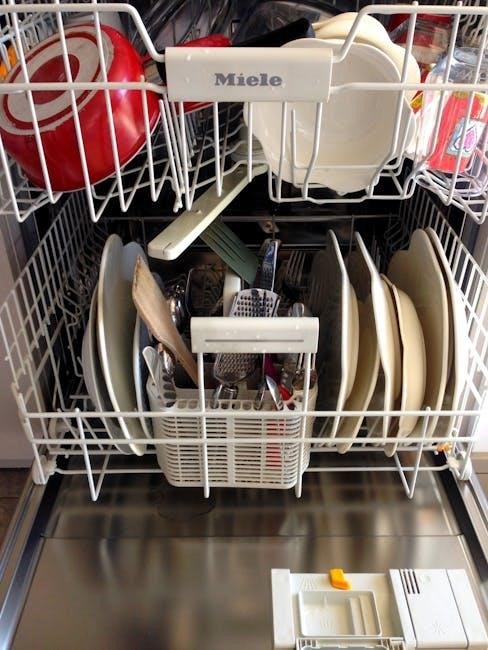
GE Cafe dishwashers offer advanced cleaning‚ but issues can arise. This guide helps diagnose problems‚ referencing your cafe dishwasher manual for specific details and error codes.
Understanding Your Cafe Dishwasher Model
Before diving into troubleshooting‚ familiarize yourself with your specific Cafe dishwasher model. Each model boasts unique features and potential issues‚ making the cafe dishwasher manual your first resource. Locate the model number – typically found on a label inside the door or on the side of the unit – and download the corresponding manual from GE’s official support website.
The manual details specific wash cycles‚ loading recommendations‚ detergent guidelines‚ and a comprehensive troubleshooting section. Understanding these nuances will significantly aid in accurate diagnosis and effective repair. Pay close attention to diagrams illustrating key components like spray arms‚ filters‚ and the drain system. Knowing your model’s layout streamlines the troubleshooting process and prevents unnecessary disassembly.
Safety Precautions Before Troubleshooting
Prioritize safety before attempting any Cafe dishwasher repairs. Always disconnect the power supply – either by unplugging the unit or switching off the circuit breaker – to prevent electrical shock. Refer to your cafe dishwasher manual for specific electrical safety instructions.
Avoid working with a wet environment; ensure the area around the dishwasher is dry. Wear appropriate protective gear‚ such as gloves‚ to shield your hands from sharp edges or potentially harmful chemicals. If you smell gas‚ immediately shut off the gas supply and contact a qualified technician. Never attempt repairs beyond your skill level; complex issues require professional attention. Consult the manual for warnings and cautions.
Common Cafe Dishwasher Problems & Solutions
Common issues include poor cleaning‚ drainage problems‚ and unusual noises. Your cafe dishwasher manual provides detailed solutions and troubleshooting steps for these concerns.
Dishwasher Not Starting
If your Cafe dishwasher fails to start‚ begin by consulting the cafe dishwasher manual for model-specific guidance. First‚ verify the power supply: ensure the dishwasher is properly plugged into a functioning outlet and that the circuit breaker hasn’t tripped. A reset of the control panel‚ often achieved by pressing a specific button combination detailed in your manual‚ can sometimes resolve minor electrical glitches.
Check for any door latch issues; the dishwasher won’t initiate if the door isn’t securely closed. The manual will illustrate the correct latching mechanism. If these initial steps don’t work‚ the issue might involve a faulty thermal fuse or a problem with the control board‚ potentially requiring professional assistance. Always refer to the manual before attempting any internal repairs.
Checking the Power Supply
Before diving into complex troubleshooting‚ meticulously check the power supply‚ as outlined in your cafe dishwasher manual. Confirm the dishwasher is securely plugged into a working electrical outlet. Test the outlet with another appliance to verify it’s receiving power. Inspect the circuit breaker or fuse box; a tripped breaker or blown fuse will prevent operation.
Your manual may detail the specific amperage required for your model. Reset the breaker or replace the fuse if necessary. Examine the power cord for any visible damage‚ such as cuts or fraying. A damaged cord poses a safety hazard and requires immediate replacement. Refer to the manual for guidance on safe cord replacement procedures.

Resetting the Control Panel
If your Cafe dishwasher’s control panel is unresponsive‚ a reset might resolve the issue‚ as detailed in your cafe dishwasher manual; Many models feature a reset procedure involving a specific button combination or a power cycle. Typically‚ this involves pressing and holding the ‘Cancel’ or ‘Start/Pause’ button for a designated period – consult your manual for the exact sequence.
Alternatively‚ you can attempt a full power cycle. Turn off the dishwasher using the power switch or by disconnecting it from the electrical outlet for several minutes. Reconnect the power and turn the dishwasher back on. This can clear temporary errors and restore functionality. Always refer to your manual before attempting any reset procedure.
Poor Cleaning Performance
Experiencing unsatisfactory cleaning results with your Cafe dishwasher? Several factors‚ outlined in your cafe dishwasher manual‚ could be at play. Insufficient cleaning often stems from clogged spray arms‚ hindering water distribution. Regularly inspect and clean these arms to ensure optimal performance;
Incorrect detergent usage is another common culprit. Using too little detergent won’t effectively remove food particles‚ while excessive amounts can leave residue. Always follow the detergent manufacturer’s instructions and your dishwasher’s manual recommendations. Overloading the dishwasher also restricts water circulation‚ leading to poor cleaning. Arrange dishes properly‚ leaving space between items for thorough washing.
Clogged Spray Arms
If your Cafe dishwasher isn’t cleaning effectively‚ clogged spray arms are a prime suspect‚ as detailed in your cafe dishwasher manual. Food particles and mineral deposits can obstruct the spray arm nozzles‚ reducing water pressure and hindering cleaning performance. To address this‚ carefully remove the spray arms – typically by unscrewing or unclipping them.
Inspect the nozzles for blockages and use a toothpick or small wire to clear any debris. Rinse the spray arms thoroughly under running water to ensure all obstructions are removed. Reinstall the spray arms securely‚ verifying they rotate freely. Regular cleaning‚ as suggested in the manual‚ prevents future clogging.
Incorrect Detergent Usage
Poor cleaning can often be traced to improper detergent use‚ a point emphasized in your cafe dishwasher manual. Using the wrong type or amount of detergent significantly impacts cleaning performance. Always use dishwasher detergent specifically formulated for automatic dishwashers; hand soap creates excessive suds.
Refer to the manual for recommended detergent quantities based on water hardness and load size. Overusing detergent can leave residue‚ while underusing it results in inadequate cleaning. Ensure the detergent dispenser is functioning correctly and that the detergent isn’t old or clumped. Consider using a rinse aid for improved drying and to prevent spotting.
Overloading the Dishwasher
A common cause of poor cleaning‚ detailed in your cafe dishwasher manual‚ is overloading. Overcrowding prevents water and detergent from reaching all surfaces‚ resulting in dirty dishes. Proper loading maximizes cleaning efficiency. Avoid blocking the spray arms; items should not obstruct their rotation.
Consult the manual’s loading guidelines for optimal arrangement. Place larger items on the bottom rack and smaller items on the top. Ensure dishes aren’t nested or stacked. Leaving space between items allows for thorough cleaning. Overloading also strains the dishwasher’s motor and can lead to long-term damage.
Dishwasher Not Draining
If your Cafe dishwasher isn’t draining‚ consult the troubleshooting section of your cafe dishwasher manual. A common issue is a blockage in the drain hose or filter. Begin by checking the drain hose for kinks or obstructions‚ ensuring a clear path for water flow. Next‚ locate and thoroughly clean the drain filter‚ removing any food particles or debris.
The manual illustrates filter removal and cleaning procedures. An air gap‚ if installed‚ may also be clogged and require attention. Persistent drainage problems could indicate a more serious issue with the drain pump‚ potentially requiring professional repair.
Checking the Drain Hose for Kinks
A kinked or obstructed drain hose is a frequent cause of drainage issues; your cafe dishwasher manual details its location. Carefully inspect the entire length of the hose‚ from the dishwasher connection to the sink drain or garbage disposal. Straighten any bends or kinks that restrict water flow.
Ensure the hose isn’t crushed behind the dishwasher or tightly bent during installation. Disconnect the hose (after shutting off power!) to check for internal blockages. Flush it with water to dislodge any debris. Refer to the manual’s diagrams for proper hose routing and connection points.
Cleaning the Drain Filter
A clogged drain filter significantly hinders drainage performance; consult your cafe dishwasher manual for its precise location and removal instructions. Typically found at the bottom of the dishwasher’s interior‚ the filter traps food particles and debris. Regularly cleaning this filter – ideally monthly – prevents blockages.
Remove the filter assembly and rinse it thoroughly under running water‚ removing all visible food residue; Use a soft brush to dislodge stubborn particles. Inspect the filter for any damage and replace it if necessary. Reinstall the filter securely‚ ensuring it’s properly seated to prevent debris from re-entering the drain system.
Air Gap Issues
If your cafe dishwasher is connected to an air gap – a small‚ cylindrical fixture usually mounted on the sink – it could be contributing to drainage problems. Refer to your cafe dishwasher manual to confirm if your model utilizes one. An air gap prevents wastewater from flowing back into the dishwasher.
Check the air gap for clogs. Remove the cap and inspect the interior for food debris or buildup. Clean it thoroughly with a small brush or pipe cleaner. A blocked air gap creates a vacuum‚ hindering proper drainage. Ensure the air gap is correctly installed and functioning as intended to maintain efficient dishwasher operation.
Unusual Noises During Operation
Strange sounds emanating from your cafe dishwasher during a cycle warrant investigation. Your cafe dishwasher manual can help pinpoint potential causes based on the type of noise. Grinding sounds often indicate foreign objects – like glass shards or bones – lodged in the pump or spray arms. Rattling could signify loose items or obstructions.
Humming noises might point to pump or motor issues. Before assuming a serious problem‚ double-check that dishes aren’t interfering with the spray arms. If the noise persists‚ consult the manual’s troubleshooting section or consider contacting a qualified technician for assessment and repair.
Identifying the Source of the Noise
Pinpointing the origin of an unusual sound is crucial for effective troubleshooting‚ and your cafe dishwasher manual is a valuable resource. Begin by carefully listening during different cycles – wash‚ drain‚ and fill – to determine when the noise occurs. Is it constant‚ or intermittent? Does it change with the cycle stage?
Open the dishwasher (carefully‚ if mid-cycle) and listen for sounds coming from the pump‚ motor‚ or spray arms. Check for loose items that might be rattling. The manual may have diagrams illustrating component locations‚ aiding your investigation. Detailed observation‚ combined with the manual’s guidance‚ will help narrow down the potential cause.
Loose Items or Obstructions
Unusual noises often stem from simple obstructions or loose items within the dishwasher. Before delving into complex repairs‚ thoroughly inspect the interior. Check the spray arms for lodged debris – glass shards‚ seeds‚ or plastic pieces – as these can cause rattling or clicking sounds. Your cafe dishwasher manual details spray arm removal for cleaning.
Also‚ examine the dishwasher’s base for fallen utensils or small objects. A thorough check of the drain area is vital‚ as obstructions here can create gurgling or grinding noises. Refer to the manual for safe removal procedures. Addressing these simple issues can often resolve the noise without requiring professional assistance.
Pump or Motor Problems
If noises persist after checking for obstructions‚ the issue might lie with the dishwasher’s pump or motor. Grinding‚ humming‚ or a complete lack of sound can indicate a failing component. Your cafe dishwasher manual provides diagrams and potentially troubleshooting steps for accessing these parts – always disconnect power first!
A failing pump may struggle to circulate water‚ leading to poor cleaning. Motor issues can prevent the dishwasher from starting or completing cycles. These repairs are generally best left to qualified technicians due to the electrical components and potential for damage. Consult the manual for warranty information before attempting any self-repair.
Decoding Cafe Dishwasher Error Codes
Cafe dishwasher error codes signal specific issues; your cafe dishwasher manual is crucial for interpretation‚ offering diagnostic steps and potential solutions for each code.
Understanding Error Code Displays
Cafe dishwashers utilize a digital display panel to communicate error codes‚ providing valuable insights into potential malfunctions. These codes aren’t random; they are specifically designed diagnostic tools. Referencing your cafe dishwasher manual is paramount to correctly interpreting these signals. The manual details each code’s meaning‚ ranging from simple issues like a blocked drain to more complex problems involving the motor or control board.
The display might show a flashing code‚ a steady code‚ or even a combination. Pay close attention to any accompanying indicator lights‚ as these can further refine the diagnosis. Don’t attempt repairs based on guesswork; always consult the manual first. Understanding the error code display is the first step towards effective troubleshooting and restoring your dishwasher to optimal performance. Ignoring these signals could lead to more significant damage.
Common Error Codes and Their Meanings
Consult your Cafe dishwasher manual for a complete list‚ but some codes appear frequently. Error Code F01 typically indicates a water inlet issue – potentially a closed valve‚ low water pressure‚ or a faulty inlet valve. Error Code F02 signals a drainage problem‚ often stemming from a clogged drain hose‚ filter‚ or air gap. Other common codes relate to heating element failures or sensor malfunctions.
The manual provides specific steps to address each code. For F01‚ it might suggest checking the water supply and valve. For F02‚ cleaning the drain filter is often the first step. Remember‚ error codes are indicators‚ not definitive diagnoses. Always verify the suggested solution before assuming a component failure. Accurate interpretation‚ guided by the manual‚ saves time and potential repair costs.
Error Code F01: Water Inlet Issue
Error Code F01 on your Cafe dishwasher signals a problem with water entering the machine. First‚ consult your dishwasher manual to confirm the specific cause for your model. Begin by verifying the water supply is fully turned on and that the water pressure is adequate. Inspect the water inlet valve – it may be blocked or faulty.
The manual will guide you through testing the valve for continuity using a multimeter‚ if you’re comfortable with electrical testing. A kinked or blocked inlet hose can also trigger this code. Carefully examine the hose’s path for obstructions. If the issue persists‚ a replacement inlet valve might be necessary; the manual details part numbers.
Error Code F02: Drainage Problem
Error Code F02 on a Cafe dishwasher indicates a drainage issue‚ preventing proper water removal. Your dishwasher manual is the first resource – it details specific troubleshooting steps for your model. Begin by checking for kinks or blockages in the drain hose. Ensure the drain hose isn’t inserted too far into the drain‚ as this can cause siphoning.
Next‚ inspect and clean the drain filter‚ as debris accumulation is a common cause. The manual illustrates filter location and removal. A clogged air gap (if installed) can also trigger this error. Finally‚ verify the garbage disposal (if connected) is clear. If problems persist‚ the drain pump may be faulty – the manual provides testing guidance.
Locating the Dishwasher’s Technical Documentation
Accessing your Cafe dishwasher manual is crucial for effective troubleshooting and maintenance. Begin by checking the physical documentation included with your appliance – often stored in a designated compartment within the dishwasher itself. If the physical manual is misplaced‚ GE’s official support website (GEAppliances.com) provides downloadable versions.
Navigate to the support section and search using your dishwasher’s model number‚ found on the appliance’s label. The website offers user manuals‚ installation guides‚ and troubleshooting resources. Additionally‚ some models offer interactive manuals or access to online support forums. Having this documentation readily available streamlines repairs and ensures safe operation.
Preventative Maintenance for Cafe Dishwashers
Regular cleaning‚ proper loading‚ and using recommended detergents – as outlined in your cafe dishwasher manual – will extend its lifespan and performance.
Regular Cleaning Schedule
Establishing a consistent cleaning schedule is crucial for maintaining your Cafe dishwasher’s efficiency and longevity. Your cafe dishwasher manual will detail specific recommendations‚ but a general guideline includes wiping down the door and controls daily to prevent buildup.
Weekly‚ inspect and clean the spray arms‚ ensuring the nozzles aren’t clogged with food particles – a toothpick can be helpful here. Monthly‚ run an empty cycle with a dishwasher cleaner to remove grease and mineral deposits. Don’t forget the drain filter! Cleaning it monthly prevents blockages and ensures proper drainage.
Refer to your manual for guidance on descaling‚ especially if you have hard water‚ as mineral buildup can significantly impact performance. Following this schedule‚ alongside the instructions in your cafe dishwasher manual‚ will keep your appliance running smoothly.
Proper Loading Techniques
Effective dishwashing relies heavily on correct loading. Your cafe dishwasher manual provides diagrams illustrating optimal arrangement for maximizing cleaning performance. Avoid overcrowding; dishes should not overlap‚ allowing water and detergent to reach all surfaces.
Place larger items along the sides and back‚ ensuring they don’t block the spray arms. Face soiled surfaces towards the center. Utensils should be loaded in the basket with handles down‚ alternating directions to prevent nesting.
Check your cafe dishwasher manual for specific recommendations regarding delicate items or cookware. Improper loading can lead to poor cleaning and potential damage. Following these guidelines‚ as detailed in your manual‚ ensures sparkling clean results every time.
Using Recommended Detergents
Maintaining optimal performance requires using the correct detergent. Your cafe dishwasher manual specifies recommended detergent types – typically‚ high-quality dishwasher detergents are best. Avoid using hand dish soap‚ as it creates excessive suds‚ potentially damaging the appliance.
The manual will also detail the appropriate amount of detergent to use‚ based on water hardness and soil level. Using too much can leave residue‚ while too little results in poor cleaning.
Always refer to your cafe dishwasher manual for specific guidance on detergent pods‚ gels‚ or powders. Following these recommendations ensures effective cleaning and prolongs the life of your dishwasher.
When to Call a Professional
For complex repairs or if troubleshooting steps from your cafe dishwasher manual fail‚ contact a qualified technician to avoid further damage.
Complex Repairs
Certain dishwasher issues demand professional expertise‚ extending beyond typical DIY fixes outlined in your cafe dishwasher manual. These include problems with the internal pump motor‚ significant leaks originating from sealed components‚ or intricate electrical malfunctions. Attempting to repair these yourself could lead to further damage‚ void your warranty‚ or even pose a safety hazard.
Specifically‚ issues involving the control board‚ complex valve replacements‚ or diagnosing hidden wiring problems require specialized tools and knowledge. Your cafe dishwasher manual will likely advise against disassembling these critical parts. A certified technician possesses the training to accurately diagnose these complex issues and perform the necessary repairs safely and effectively‚ ensuring your dishwasher returns to optimal performance. Don’t hesitate to seek professional help for these scenarios.
Warranty Considerations
Before attempting any repairs‚ carefully review your cafe dishwasher manual for warranty information. Many repairs performed by unauthorized individuals can void the manufacturer’s warranty‚ leaving you responsible for all associated costs. Understand the terms and conditions‚ including the warranty duration and what components are covered.
Keep your proof of purchase readily available‚ as it’s essential for any warranty claims. If your dishwasher is still under warranty‚ contacting GE’s official support is the recommended first step. They can guide you through the claim process and schedule authorized service. Referencing your cafe dishwasher manual’s warranty section will clarify your rights and ensure a smooth resolution if professional repair is needed.