confession guide orthodox
Summary
Navigating the Orthodox confession can feel daunting! This guide breaks down the process, offering peace of mind & a path to spiritual renewal. Find clarity now!
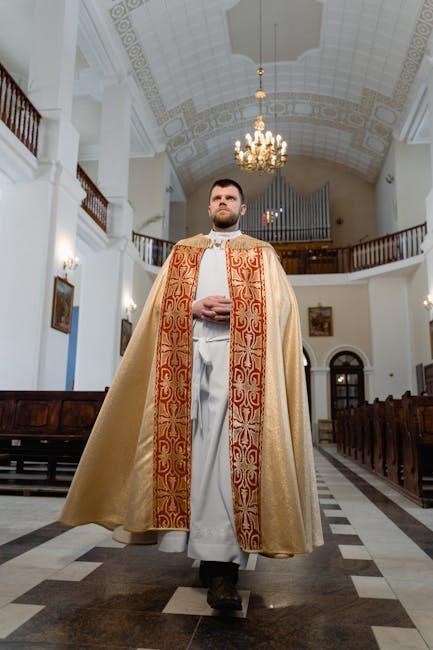
Orthodox Confession, a vital sacrament, offers a path to healing and reconciliation with God, guided by spiritual fathers and rooted in ancient tradition.
The Importance of Confession in the Orthodox Tradition
Confession, or the Sacrament of Repentance, holds a central place within the Orthodox Christian faith, serving as a crucial means of spiritual cleansing and restoration. It’s not merely an admission of wrongdoing, but a profound encounter with God’s mercy and a pathway to theosis – becoming more like God.
This sacrament acknowledges the reality of sin and its damaging effects on our relationship with God, ourselves, and others. Through honest confession to a spiritual father, coupled with genuine repentance (metanoia), we receive forgiveness and the grace to overcome our weaknesses.
The Orthodox tradition emphasizes that confession isn’t a legalistic requirement, but a loving provision from God, offering healing and renewed strength for spiritual growth. It’s a vital component of a life dedicated to following Christ.
Historical Development of the Sacrament
The roots of Confession trace back to the early Church, evolving from public penance practiced by repentant sinners seeking readmission to the community. Early forms, described in the writings of Church Fathers, involved periods of mourning and prayer.
Over time, particularly in the Eastern Church, a more private form developed, facilitated by a priest acting as a spiritual guide. This shift allowed for more personalized guidance and a deeper exploration of individual struggles.
The current structure, with its emphasis on both acknowledging sins and receiving absolution through the priest, solidified over centuries, becoming a cornerstone of Orthodox liturgical life. The sacrament’s development reflects the Church’s ongoing discernment of God’s will and the needs of its faithful.

Preparing for Confession
Preparation is key; engage in honest self-examination, reflect on the Ten Commandments, and cultivate a spirit of repentance – metanoia – before approaching the sacrament.
Self-Examination: Identifying Sins
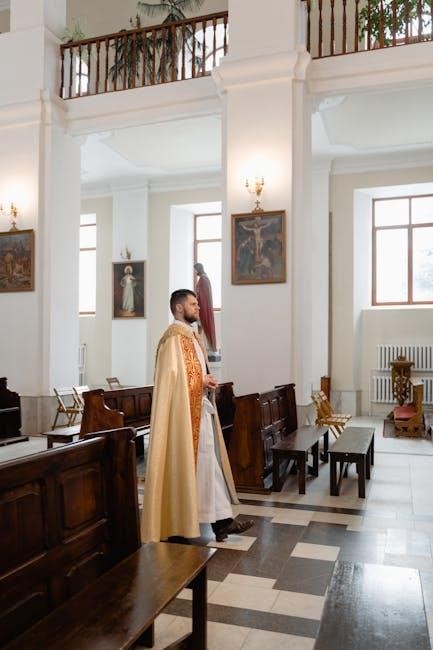
Before Confession, dedicated self-examination is paramount. This isn’t merely recalling actions, but a sincere probing of thoughts, motivations, and omissions. Consider how you’ve fallen short of God’s commandments and Orthodox ethical principles.
Ask yourself: Have I loved God with all my heart, soul, and mind? Have I loved my neighbor as myself? Where have I prioritized selfish desires over divine will? Reflect on areas of pride, envy, anger, and lust.
Don’t overlook subtle sins – unkind words, judgmental thoughts, neglecting prayer or acts of charity. A thorough inventory, acknowledging both large and small failings, prepares the heart for genuine repentance and allows for a more fruitful confession.
Understanding the Ten Commandments & Orthodox Ethics
The Ten Commandments provide a foundational framework for Orthodox ethics, revealing God’s will for humanity. However, Orthodox morality extends beyond a simple “do not” list. It emphasizes cultivating virtues – love, humility, compassion, patience, and forgiveness – as positive expressions of faith.
Consider each commandment in light of its spiritual depth. Adultery isn’t just a physical act, but also lustful thoughts. Theft encompasses covetousness and exploiting others. Bearing false witness includes gossip and slander.
Orthodox ethics calls for transforming the inner self, striving for holiness in all aspects of life. This understanding is crucial for accurate self-examination and a meaningful confession.
The Role of Repentance (Metanoia)
Repentance, or Metanoia in Greek, is far more than simply feeling sorry for sins. It signifies a fundamental change of heart and mind, a turning away from darkness towards God’s light. True repentance involves acknowledging wrongdoing, accepting responsibility, and a firm resolve to avoid repeating the offense.
It’s an active process, demanding effort and humility. Genuine Metanoia isn’t merely emotional; it’s demonstrated through amended behavior and a commitment to living according to Orthodox teachings.
Confession is strengthened by sincere repentance, allowing God’s grace to work within us, fostering spiritual growth and a renewed life in Christ.
The Confession Process
The Sacrament of Confession unfolds through seeking a spiritual father, humbly entering the confessional, and honestly revealing sins to receive guidance and absolution.
Finding a Spiritual Father (Confessor)
Selecting a spiritual father, or confessor, is a deeply personal and crucial step in preparing for Confession. This individual serves as a guide, offering wisdom and support on your spiritual journey. Look for a priest known for their discretion, compassion, and theological understanding.
Ideally, your confessor should be someone you trust implicitly, a priest with whom you feel comfortable sharing your struggles openly and honestly. Spiritual guidance is founded on freedom; God respects human liberty. A good confessor will never impose their will but will gently lead you towards repentance and a deeper relationship with Christ.
Don’t hesitate to seek recommendations from trusted members of your parish or explore priests within your diocese. Remember, the goal is to find someone who can help you navigate the complexities of your spiritual life and grow closer to God;
Entering the Confessional
Approaching the confessional requires a humble and reverent attitude. Traditionally, Orthodox confessionals are small rooms with a screen, allowing for anonymity and focused conversation. Before entering, take a moment for silent prayer, asking for God’s guidance and strength.
Often, you’ll kneel before the icon of Christ, acknowledging His presence and seeking His mercy. The priest, acting as a witness to your confession, will offer a prayer, creating a sacred space for repentance. Remember, the confessional is a place of healing, not judgment.
Approach with an open heart, ready to honestly examine your conscience and share your sins. The atmosphere is designed to foster trust and facilitate genuine spiritual growth, allowing you to receive forgiveness and grace.
Confessing Sins: Honesty and Specificity
Confession demands complete honesty and a willingness to name your sins specifically. Avoid vague generalizations like “I have sinned in thought, word, and deed.” Instead, detail your actions – for example, “I was angry with my brother and spoke harshly to him.”
Specificity helps both you and your spiritual father understand the nature of your struggles. Don’t minimize or excuse your actions; acknowledge your responsibility. It’s also important to confess the root causes of your sins, such as pride, envy, or greed.
Remember, God already knows your heart; confession is for your benefit, allowing you to receive healing and guidance. Be truthful, even when it’s difficult, and trust in God’s boundless mercy.

Types of Sins in Orthodox Theology
Orthodox theology distinguishes between mortal and venial sins, categorizing offenses against God, others, and oneself, impacting spiritual well-being profoundly.
Mortal vs. Venial Sins
In Orthodox understanding, sins aren’t simply graded by severity, but by their impact on our relationship with God. Mortal sins, those committed with full knowledge and deliberate consent, sever that connection, requiring immediate repentance and absolution through the sacrament of Confession. These are grave offenses, actively choosing to turn away from God’s grace.
Venial sins, conversely, weaken the spiritual life but don’t entirely break the bond with God. They represent failings, weaknesses, or unintentional offenses. While still requiring acknowledgement and correction, they don’t necessitate immediate Confession, though regular confession of all sins is encouraged for spiritual health. The distinction isn’t about a simple ‘good’ or ‘bad’ label, but about the degree of spiritual damage and the necessity of restoring communion with God.
Sins Against God, Neighbor, and Self
Orthodox theology categorizes sins based on who is harmed. Sins against God directly violate His commandments and disrespect His divine nature – blasphemy, idolatry, and neglecting prayer fall into this category. Sins against our neighbor encompass any harm done to others, including malice, envy, slander, and injustice, fracturing the community God intends.
Crucially, sins against oneself are also recognized. These aren’t simply personal failings, but damage to the image of God within us – addiction, self-harm, and neglecting one’s spiritual and physical well-being. Recognizing this threefold division highlights the interconnectedness of our relationships and the holistic nature of repentance, requiring restoration in all three spheres.
Common Struggles and Temptations
Many Orthodox Christians face recurring temptations. Pride, a foundational sin, often manifests as judgment of others or resistance to correction. Lust, encompassing desires beyond healthy affection, presents a constant challenge in a world saturated with imagery. Anger, uncontrolled and destructive, damages relationships and inner peace.
Furthermore, sloth – spiritual apathy and neglecting duties – hinders growth. Greed, an insatiable desire for possessions, distracts from spiritual wealth. Envy, resentment towards others’ blessings, poisons the heart. Recognizing these common struggles isn’t a sign of weakness, but an acknowledgement of our shared human condition, prompting humility and seeking God’s grace for overcoming them.

The Priest’s Role and Absolution
The priest acts as a witness to repentance, offering guidance and, through the Holy Spirit, conveying God’s forgiveness via the sacred Prayer of Absolution.
The Priest as a Witness and Guide
The Orthodox priest doesn’t function as a judge, but rather as a compassionate witness to the penitent’s sincere confession before God. He embodies the Church’s loving embrace and offers spiritual guidance, helping individuals discern the root causes of their struggles.
Drawing upon the wisdom of the Holy Fathers and the teachings of the Church, the priest gently directs the confessant towards a deeper understanding of Orthodox ethics and the path to healing. He provides clarity, corrects misconceptions, and encourages genuine metanoia – a transformative change of heart.
Importantly, the priest’s role is to facilitate reconciliation with God, not to impose judgment. He is a conduit for God’s grace, offering support and encouragement throughout the process, ensuring the penitent feels safe and understood within the sacred space of confession.
The Prayer of Absolution
Following a sincere confession, the priest, acting as God’s instrument, recites the Prayer of Absolution. This powerful invocation beseeches God’s mercy and forgiveness for the sins confessed. It’s a central moment, signifying the tangible release from the burden of guilt and the restoration of grace.
The prayer isn’t merely a formulaic recitation; it’s a heartfelt plea, imbued with the authority passed down through Apostolic Succession. Through it, God’s boundless compassion is extended to the penitent, offering a fresh start and renewed spiritual strength.
Receiving absolution requires humility and faith, acknowledging God’s loving-kindness. It’s a divine gift, not earned, but freely given to those who approach Him with a contrite heart, ready to embrace a life transformed by His grace.
Receiving Forgiveness and Grace
The moment of absolution isn’t simply an intellectual acknowledgment of forgiveness; it’s a deeply felt experience of God’s loving embrace. Receiving grace involves an internal shift, a lightening of the soul’s burden as sins are remitted through Christ’s sacrifice.
This newfound grace empowers the penitent to resist future temptations and to actively pursue a life aligned with Orthodox teachings. It’s a catalyst for spiritual growth, fostering humility, compassion, and a deeper connection with God.
Experiencing this divine mercy encourages continued participation in the sacraments, particularly Holy Communion, strengthening the renewed relationship with Christ and solidifying the path towards theosis – becoming more like God.

Penances (Epitimia)
Epitimia, or penances, are assigned not as punishment, but as therapeutic tools for healing and spiritual restoration following confession, fostering growth.
The Purpose of Penances
Penances, known as epitimia in the Orthodox tradition, are frequently misunderstood as punitive measures imposed by the priest. However, their true purpose is profoundly therapeutic and restorative. They aren’t about “paying” for sins, but rather about actively participating in the healing process and re-establishing a harmonious relationship with God.
The assigned penances – which might include increased prayer, fasting, acts of charity, or specific spiritual readings – are tailored to the individual’s specific struggles and weaknesses. They serve to cultivate virtues opposite to the confessed sins, strengthening the will and fostering self-control.
Essentially, epitimia provides a concrete path for transforming remorse into positive action, aiding in the dismantling of sinful habits and the growth of spiritual maturity. It’s a practical application of repentance, moving beyond simply acknowledging wrongdoing to actively working towards amendment of life.
Types of Penances Assigned
The specific penances (epitimia) assigned by a spiritual father are deeply individualized, reflecting the nature of the confessed sins and the penitent’s capacity. Common forms include increased prayer rules – adding specific canons or prostrations – and stricter fasting practices, extending beyond the usual liturgical guidelines.
Acts of charity and service to others are frequently prescribed, encouraging the outward expression of repentance through love and compassion. Spiritual reading, focusing on the lives of the saints or works of Orthodox theology, can also be assigned to nourish the soul.
More specific penances might address particular failings, such as abstaining from certain habits or diligently working to repair damaged relationships. The goal isn’t severity, but rather a tailored path towards healing and spiritual growth.
Fulfilling the Penance and Continued Spiritual Growth
Diligently fulfilling the assigned penance is crucial, not as a mere obligation, but as an active demonstration of repentance and a commitment to change. However, completion isn’t the endpoint; it’s a stepping stone towards sustained spiritual growth.
Regular confession, guided by a spiritual father, remains vital for ongoing self-examination and accountability. Consistent prayer, fasting, and acts of charity should become ingrained habits, nurturing a deeper relationship with God.
Striving to avoid the root causes of past sins, and cultivating virtues like humility and patience, are essential for lasting transformation. Spiritual growth is a lifelong journey, requiring dedication and reliance on God’s grace.

Post-Confession: Living a Renewed Life
Embrace forgiveness and actively work to avoid repeating sins through prayer, fasting, and continued spiritual guidance from a trusted confessor.
Avoiding Repetition of Sins
Following confession, vigilance is paramount. Recognizing patterns leading to past transgressions allows for proactive prevention. Cultivate a consistent prayer life, seeking divine assistance in resisting temptation. Regular participation in the Eucharist strengthens spiritual resilience, providing grace to overcome weaknesses.
Fasting, not merely abstaining from food, disciplines the passions and clarifies the mind. Actively seek out and avoid situations known to provoke sinful thoughts or actions. Engage in acts of service and charity, redirecting energy towards positive endeavors.
Continued spiritual guidance from your confessor offers accountability and support. Honest self-reflection, coupled with a sincere desire for change, fosters lasting transformation. Remember, spiritual growth is a lifelong journey, requiring consistent effort and reliance on God’s mercy.
The Importance of Prayer and Fasting
Prayer, a direct line to God, is essential for maintaining a renewed spiritual life post-confession. Consistent, heartfelt prayer cultivates humility, gratitude, and a deeper awareness of God’s presence. It strengthens our resolve to resist temptation and seek guidance in daily life. Combine prayer with the reading of Scripture and the lives of the Saints for inspiration.
Fasting, a traditional Orthodox practice, disciplines the body and focuses the mind on spiritual matters. It’s not simply about abstaining from food, but about controlling desires and cultivating self-restraint.
Combined, prayer and fasting create a synergistic effect, purifying the heart and preparing the soul for greater communion with God, reinforcing the grace received in Confession.
Continuing Spiritual Guidance

Confession isn’t a one-time event, but a step within a lifelong journey of spiritual growth. Regular meetings with a spiritual father (confessor) provide ongoing support, accountability, and personalized guidance. A confessor helps discern God’s will, navigate challenges, and address recurring patterns of sin.
Seeking counsel isn’t a sign of weakness, but of humility and a desire to deepen one’s relationship with God. Open communication fosters trust and allows the confessor to offer tailored advice based on individual struggles.
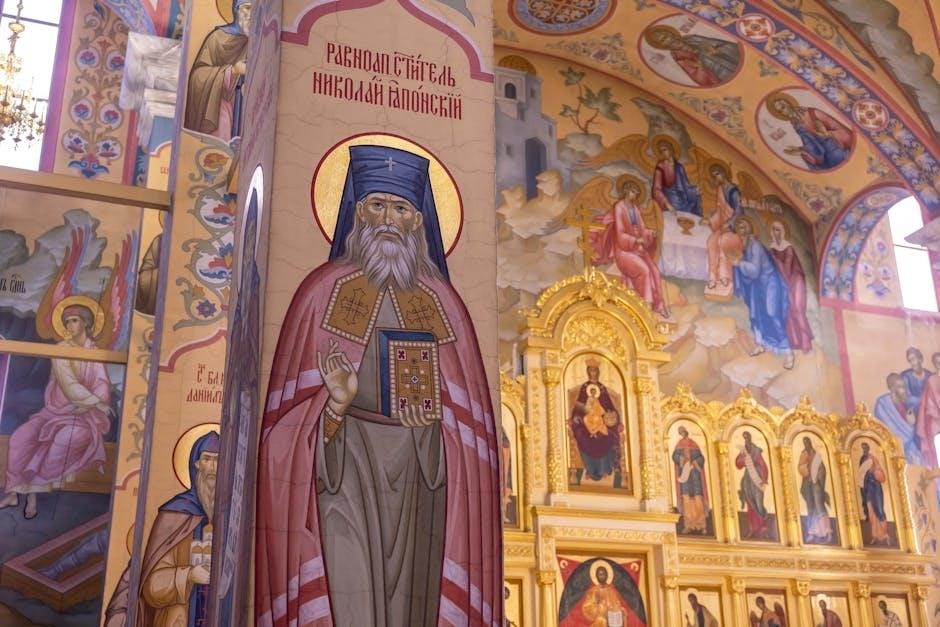
Consistent spiritual direction helps maintain momentum, preventing backsliding and nurturing a vibrant faith, ensuring the benefits of confession endure.