san diego street design manual
Summary
Unlock the secrets to fantastic San Diego streets! Our manual is your guide to creating safe, beautiful, and functional public spaces. Download now!
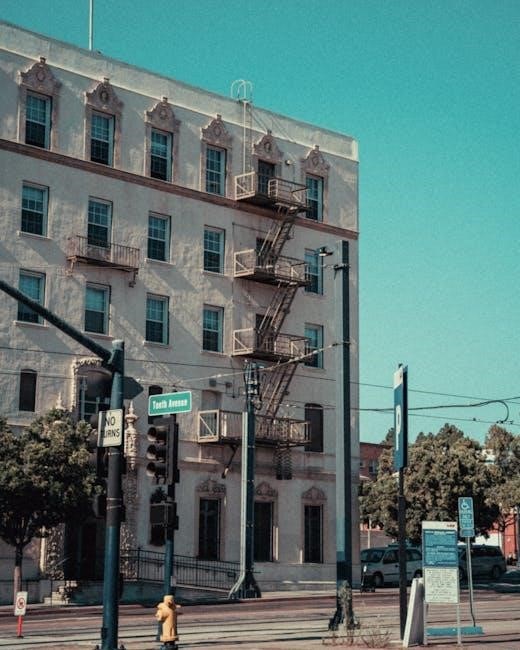
San Diego Street Design Manual: A Comprehensive Plan
This manual guides effective street design, supporting multimodal systems, walkable neighborhoods, and compact development, aligning with community plans and City Council policies․
The San Diego Street Design Manual serves as a crucial resource for city planners, engineers, and developers․ It establishes a unified approach to street design, prioritizing safety, accessibility, and sustainability throughout San Diego․
This document details various street types, from low-volume residential streets to major corridors, offering specific design specifications and standards․
It aims to create a connected, multimodal transportation network that supports diverse community needs and enhances the quality of life for all residents․
Purpose and Scope of the Manual
This manual’s primary purpose is to provide clear guidance for designing streets that effectively serve all users – pedestrians, cyclists, transit riders, and motorists․
Its scope encompasses all public streets within the City of San Diego, covering design specifications, landscaping, traffic calming measures, and integration with existing infrastructure․
The manual supports implementation of community plans and City Council policies, fostering vibrant, walkable, and bikeable neighborhoods through thoughtful street design․
Guiding Documents and Related Studies
The manual builds upon a foundation of existing City of San Diego planning documents and studies․ Key resources include the Community Street Tree Master Plan (Southeast San Diego), the Greater Logan Heights Five Neighborhoods, One Community plan, and the Market Street Corridor Urban Design Study․
Additional guiding documents encompass the Mount Hope Community Planning Wrap-Up, Neighborhoods First initiatives, and SEDC Multi-Family Development Guidelines, ensuring a cohesive approach to street design․
Community Street Tree Master Plan (Southeast San Diego)
This plan significantly informs the Street Design Manual’s approach to integrating urban forestry․ It prioritizes strategic tree placement within the public right-of-way in Southeast San Diego, enhancing neighborhood aesthetics and environmental benefits․
The Master Plan guides decisions regarding species selection, planting locations, and long-term tree maintenance, directly influencing streetscape design and contributing to a more sustainable and livable urban environment․
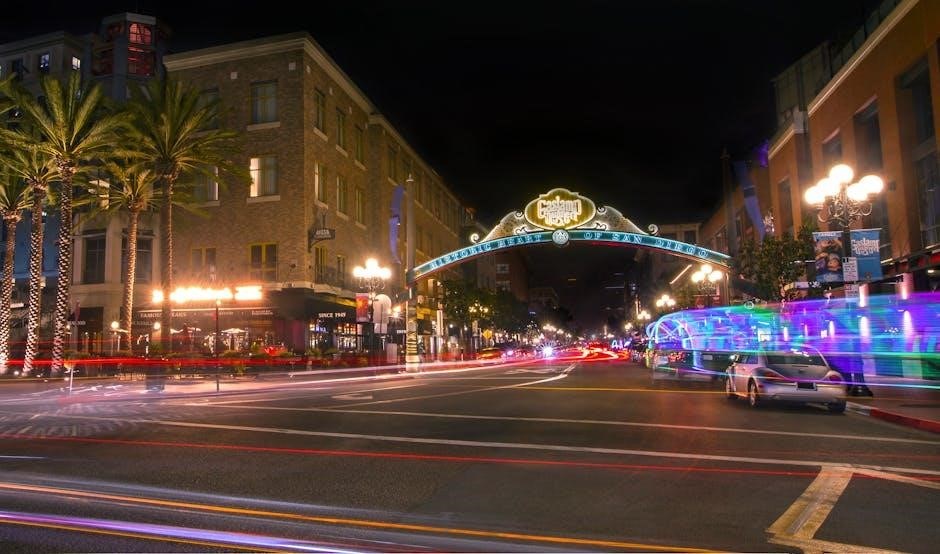
Greater Logan Heights Five Neighborhoods, One Community
This community vision profoundly shapes the Street Design Manual’s sensitivity to Logan Heights’ unique character․ It emphasizes a holistic approach to neighborhood improvements, prioritizing pedestrian safety, accessibility, and community connectivity․
The plan’s principles guide street design to reflect the area’s cultural identity and foster a strong sense of place, ensuring that infrastructure investments align with the community’s aspirations for a vibrant and equitable future․
Market Street Corridor Urban Design Study
The Market Street Corridor study significantly informs the manual’s streetscape design guidelines, focusing on creating a vibrant, pedestrian-friendly environment․ It emphasizes enhanced landscaping, pedestrian-scale lighting, and coordinated street furniture to improve the corridor’s aesthetic appeal and functionality․
The study’s recommendations are integrated into the manual to promote mixed-use development and a seamless connection between transit options and surrounding neighborhoods, fostering economic vitality․
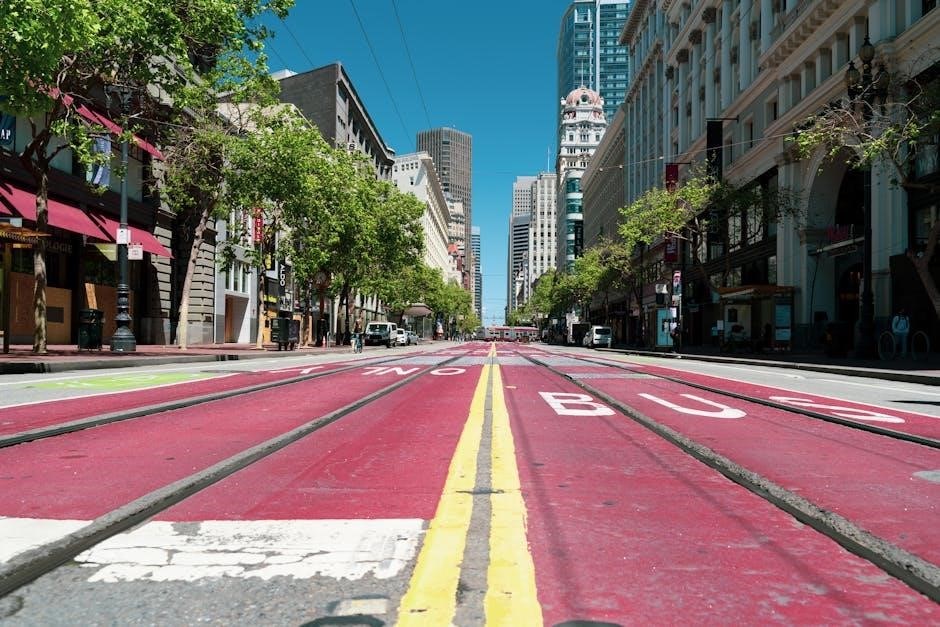
Key Principles of San Diego Street Design
San Diego’s street design prioritizes creating connected, multimodal transportation networks․ The manual champions supporting walkable and bikeable neighborhoods through thoughtful planning and infrastructure․
It also emphasizes complementing compact, mixed-use development patterns, encouraging density and reducing reliance on automobiles․ Effective site planning is crucial, substantiated by the manual, to ensure streets function efficiently and enhance the overall quality of life for residents․
Supporting Walkable and Bikeable Neighborhoods
The manual actively promotes pedestrian and bicycle-friendly infrastructure․ This includes designing streets that prioritize safety and comfort for all users, not just vehicles․ Features like sidewalks, pedestrian-scale lighting, and protected bike lanes are encouraged․
By fostering these elements, San Diego aims to create neighborhoods where walking and cycling are viable, attractive alternatives to driving, improving public health and reducing congestion․
Complementing Compact, Mixed-Use Development
The Street Design Manual directly supports San Diego’s goals for denser, mixed-use communities․ It emphasizes site planning that integrates streets seamlessly with buildings and public spaces․ This approach prioritizes efficient land use and reduces reliance on automobiles․
By encouraging a connected, multimodal street system, the manual helps create vibrant, walkable urban environments where residents can live, work, and play․
Street Types Defined in the Manual
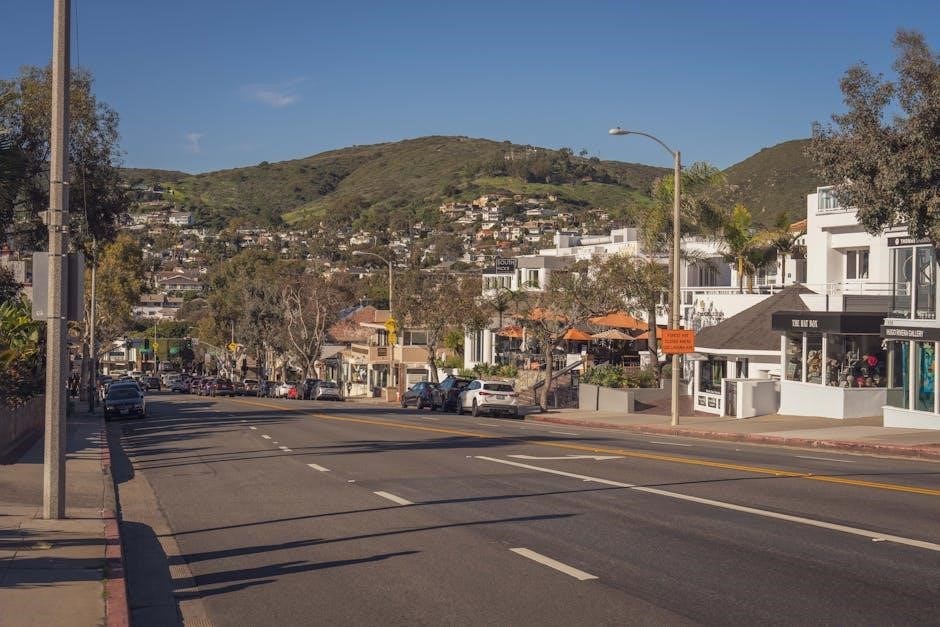
The San Diego Street Design Manual categorizes streets based on function and context, offering tailored design guidance․ A key example is the “2-2 Type” street – a typical San Diego street featuring on-street parking, street trees, sidewalks, and essential safety lighting․
These streets may also incorporate landscaping and underground utilities, with all designs adhering to the California MUTCD and City Engineer approval․
Characteristics of a Typical San Diego Street (2-2 Type)
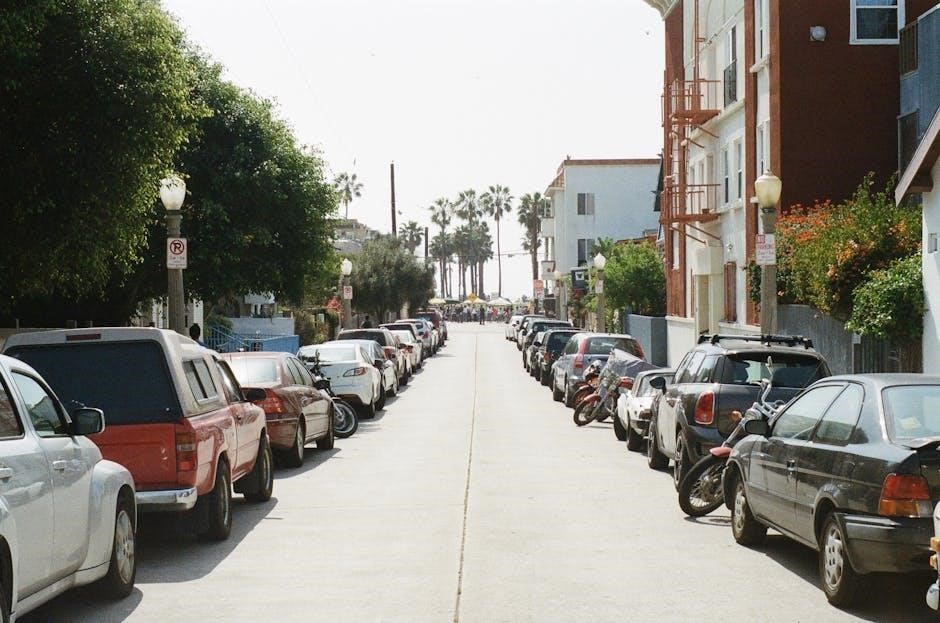
The 2-2 street type embodies San Diego’s common urban form, prioritizing balanced functionality․ It consistently features on-street parking provisions alongside established street trees, enhancing the pedestrian experience with continuous sidewalks․
Crucially, these streets integrate traffic safety measures and street lighting․ Supplemental elements like pedestrian-scale lighting and concealed underground utilities are also frequently included, improving overall aesthetics and usability․
On-Street Parking and Street Trees
San Diego’s street design prioritizes the harmonious integration of on-street parking and lush street trees․ Parking provisions are a standard feature, accommodating resident and visitor needs while managing traffic flow․
Simultaneously, the inclusion of street trees enhances the urban canopy, providing shade, improving air quality, and boosting aesthetic appeal․ This combination fosters a more inviting and sustainable streetscape, contributing to neighborhood livability and walkability․

Design Specifications and Standards

The manual details precise design specifications for various street types, ensuring consistency and safety․ Figures 2-3 through 2-10 illustrate detailed plans for cul-de-sac construction, covering geometry and turning radii․
Tables 2-11 and 2-12 outline standards for low-volume residential local streets, addressing pavement width, sidewalk dimensions, and drainage requirements․ All designs are subject to the latest California MUTCD edition and City Engineer approval․
Cul-de-Sac Design Specifications (Figures 2-3 through 2-10)
Detailed guidance for cul-de-sac design is provided through Figures 2-3 to 2-10, focusing on geometric layout and operational efficiency․ These figures illustrate appropriate turning radii for emergency vehicles and standard passenger cars․
Specifications cover pavement width, landscaping options within the bulb, and pedestrian access points․ Designs prioritize safety, ensuring adequate visibility and minimizing potential hazards, while adhering to City Engineer standards․
Low-Volume Residential Local Street Specifications (Tables 2-11 through 2-12)
Tables 2-11 and 2-12 outline precise specifications for low-volume residential streets, covering crucial elements like right-of-way width, pavement dimensions, and sidewalk configurations․
These tables detail requirements for on-street parking provisions, street tree placement, and appropriate landscaping․ Designs prioritize pedestrian safety and neighborhood character, ensuring comfortable and accessible environments․ All designs must comply with the latest CA MUTCD edition and City Engineer approval․
Bicycle Lane Options
The San Diego Street Design Manual presents diverse bicycle lane options, catering to varying street contexts and traffic volumes․
It details both protected bike lane designs – offering physical separation from vehicular traffic – and unprotected bike lane designs, utilizing striping and signage․ The manual emphasizes safety and connectivity, aiming to foster a robust cycling network․ Careful consideration is given to lane width, buffer zones, and integration with pedestrian facilities, promoting multimodal transportation․
Protected Bike Lane Designs
Protected bike lane designs, as outlined in the manual, prioritize cyclist safety through physical separation from motor vehicles․
These designs employ barriers like bollards, planters, or parked car buffers, creating a dedicated space for cyclists․ The manual details various configurations, considering street width and adjacent land uses․ Proper signage and pavement markings are crucial components, enhancing visibility and defining the bike lane․ These designs aim to encourage cycling by providing a comfortable and secure riding environment․
Unprotected Bike Lane Designs
Unprotected bike lane designs, detailed within the San Diego Street Design Manual, establish bike lanes using painted striping and pavement markings․
These lanes offer designated space for cyclists but lack physical barriers separating them from vehicular traffic․ Clear signage is essential, indicating the presence of the bike lane to both cyclists and drivers․ While less costly to implement, these designs rely heavily on driver awareness and adherence to traffic laws․ The manual provides guidance on appropriate lane widths and striping patterns․
Integration with Community Plans and Policies
The Street Design Manual is strategically designed to seamlessly integrate with existing Community Plans, specific plans, and policies adopted by the City Council․
It assists in implementing unique requirements established through these local directives, ensuring consistency across San Diego․ This alignment substantiates the importance of site planning, fostering an effective, connected, and multimodal street system․ Successful implementation requires careful consideration of local context and community needs․
Implementation of Community Plan Requirements
Effective implementation necessitates a thorough understanding of individual Community Plan goals and objectives․ The manual provides tools and guidelines to translate these plans into tangible street designs․
This includes addressing specific needs related to pedestrian access, bicycle infrastructure, and traffic calming measures․ Careful consideration of local context and community input is crucial for successful integration, ensuring designs reflect the unique character of each neighborhood․
Alignment with City Council-Adopted Policies
The Street Design Manual actively supports City Council policies promoting sustainable transportation and vibrant communities․ It facilitates the implementation of regulations concerning pedestrian safety, bicycle accessibility, and transit-oriented development․
Designs must adhere to adopted guidelines, ensuring consistency across the city and fostering a cohesive urban fabric․ This alignment strengthens the city’s commitment to creating livable, equitable, and environmentally responsible neighborhoods for all residents․
Traffic Safety and Street Lighting
Prioritizing safety, the manual emphasizes designs that calm traffic and enhance visibility․ Adequate street lighting is crucial, ensuring pedestrian and cyclist safety during all hours․
Design specifications incorporate best practices for intersection design, crosswalk placement, and speed management․ All signing and striping must comply with the latest California MUTCD edition, or as directed by the City Engineer, guaranteeing a safe and well-lit environment for all users․
Underground Utilities and Landscaping
The manual acknowledges the importance of coordinated infrastructure․ Undergrounding utilities minimizes visual clutter and enhances street aesthetics․
Landscaping, including street trees as highlighted in the Community Street Tree Master Plan, contributes to a more inviting public realm․ Designs should consider irrigation, maintenance, and compatibility with underground infrastructure․ Careful planning ensures harmonious integration of utilities, landscaping, and the overall streetscape, creating functional and beautiful environments․
MUTCD Compliance and City Engineer Oversight
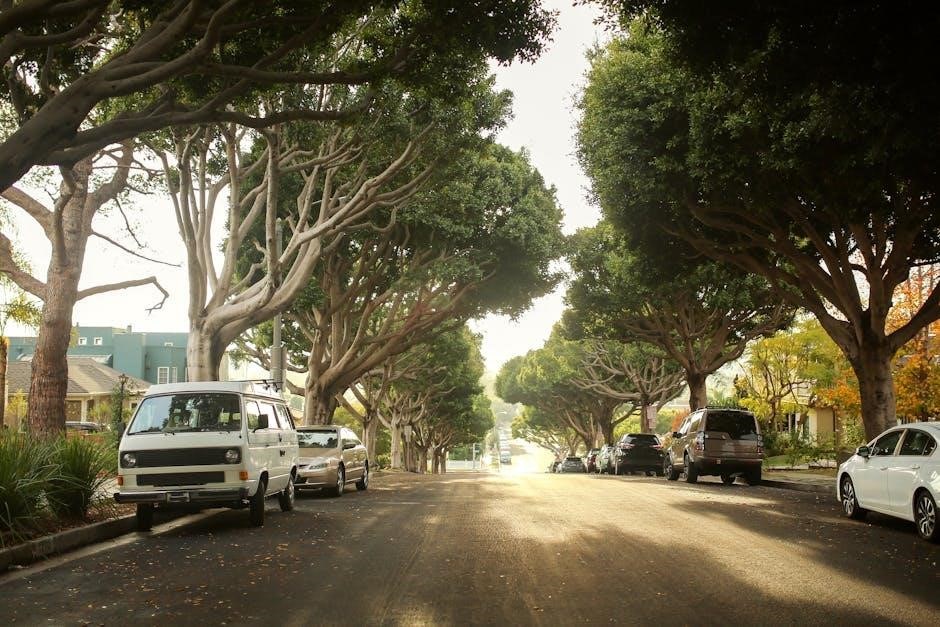
Adherence to the Manual on Uniform Traffic Control Devices (MUTCD) is paramount, ensuring consistent and safe traffic management․
All signing and striping are subject to the latest MUTCD edition or the City Engineer’s judgment․ The City Engineer provides crucial oversight throughout the design and implementation process, verifying compliance with standards and addressing unique site conditions․ This rigorous review guarantees projects meet safety requirements and align with city-wide transportation goals․
Recent Updates and Public Input (2025-2026)
The Street Design Manual underwent review and updates in 2025-2026, including a public comment period to gather feedback from residents and stakeholders․
Input was incorporated to refine guidelines and address community concerns, particularly regarding Vibrant Uptown considerations․ This collaborative approach ensures the manual reflects local needs and supports effective implementation of community plans and City Council policies, fostering a responsive and inclusive design process․
Public Comment Period and Feedback Incorporation
A dedicated public comment period, initiated around February 1st, 2025 (17:02:40), allowed San Diego residents to review and provide feedback on the draft Street Design Manual․
This input was crucial for refining the document, ensuring it addresses community priorities and concerns․ Feedback incorporation focused on enhancing clarity, practicality, and alignment with local context, resulting in a more effective and responsive guide for street design projects throughout the city․
Vibrant Uptown Considerations
The manual assists in implementing special requirements established through community plans, like those for Vibrant Uptown․
It acknowledges unique needs and characteristics of specific areas, ensuring street designs complement local context․ This includes supporting pedestrian activity, enhancing public spaces, and promoting a thriving urban environment․ The Street Design Manual aims to foster a cohesive and vibrant streetscape within Uptown, reflecting its distinct identity and community values․